How to Charge an Alibarbar Ingot 9000? Debunking the Wireless Qi & Cable Myth
Viral TikTok clips showing people resting a gold Alibarbar Ingot 9000 on an iPhone MagSafe puck have triggered a wave of Aussie searches asking 'does alibarbar ingot 9000 have wireless charging' and 'how to charge alibarbar vape without charger'. Let's settle it with hard workshop physics: aluminium-alloy shells actually block electromagnetic Qi induction, and there is zero copper induction coil or charging IC anywhere inside the Ingot 9000.
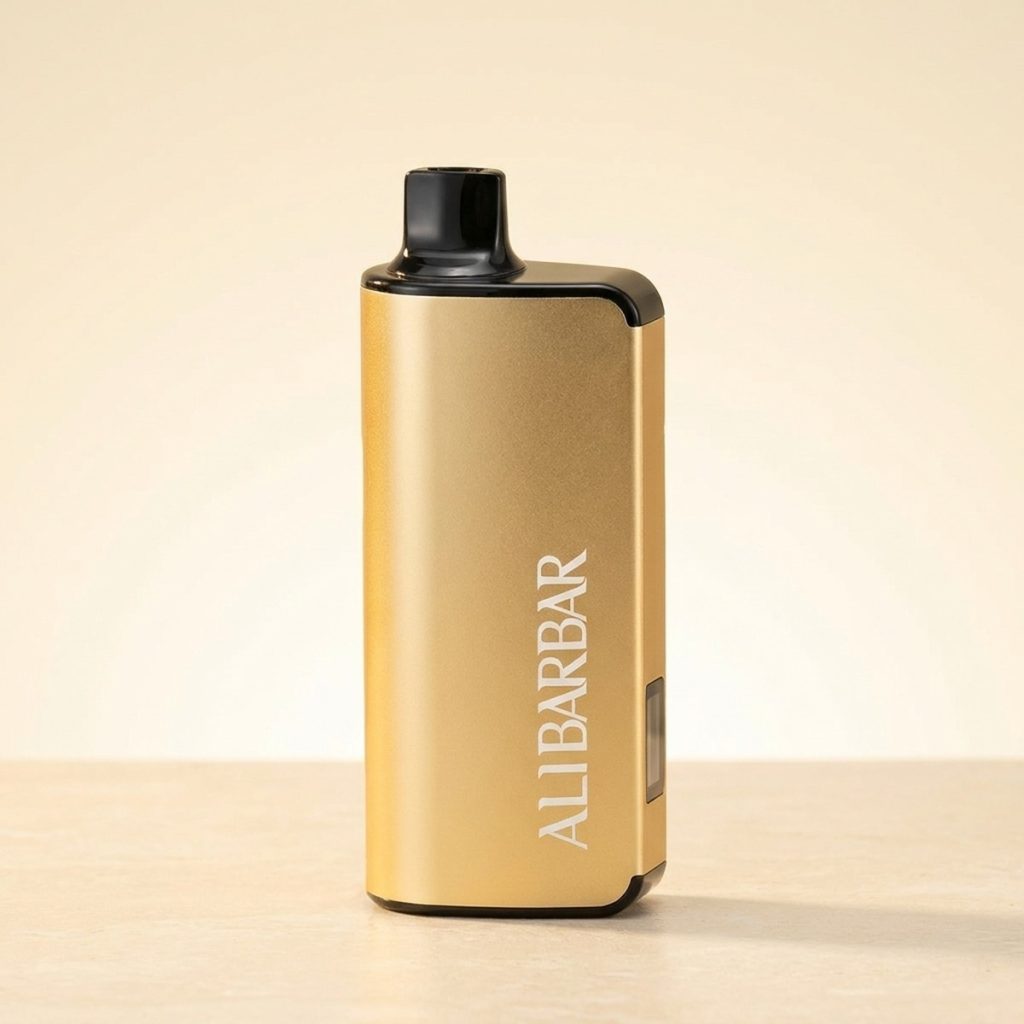
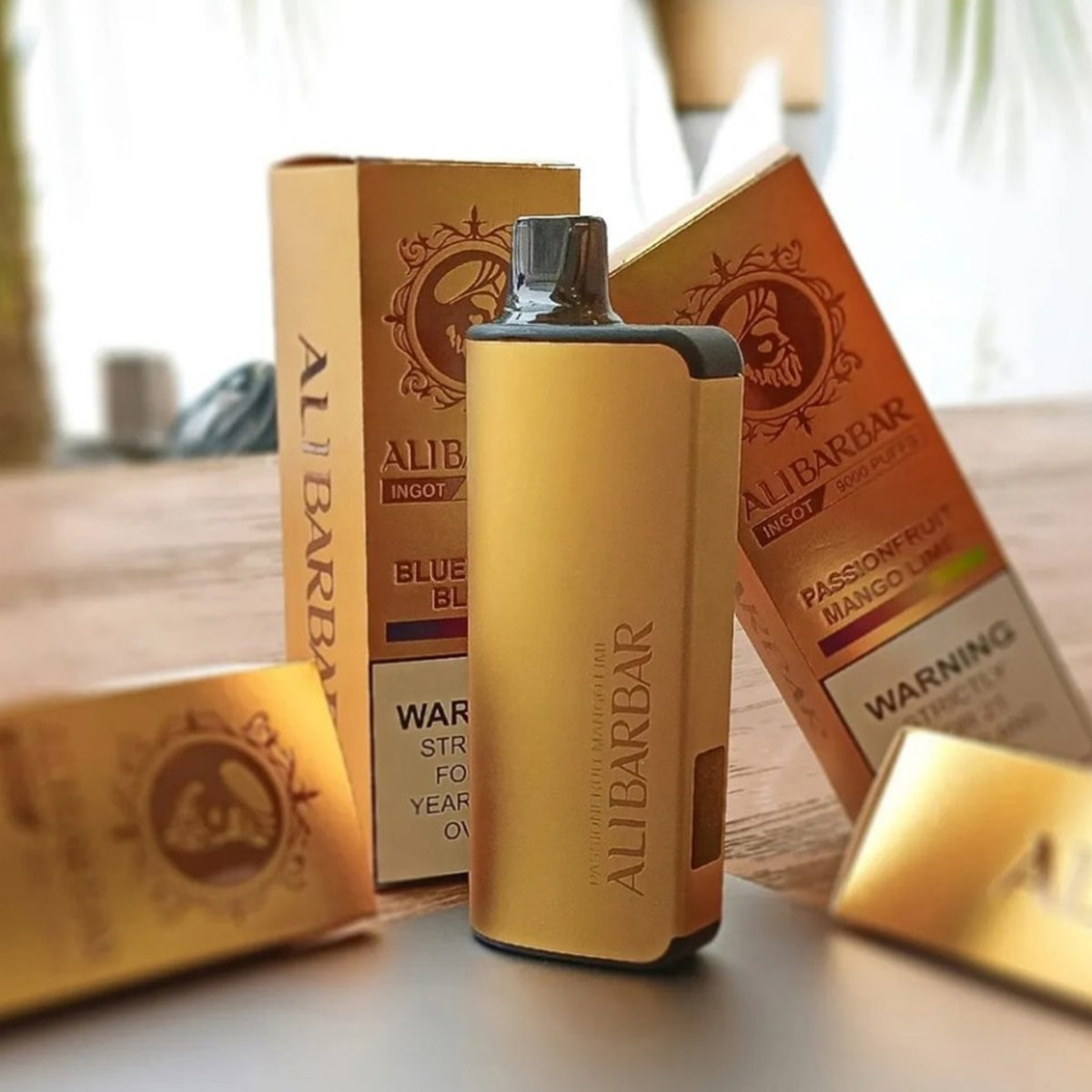
Eddy Current Heat Hazard
Aluminium bullion casing blocks Qi charging and converts stray magnetic flux into dangerous shell heat.
Single-Cycle Zero-Cord
Sized at factory to power the full 22mL tank from first puff to final blink without ever needing a cord.
Switch When Needed
Prefer plugging in? Choose certified USB-C BMS units like SnowPlus Dash X 4000 or iJoy XP 12000.
Why Placing an Aluminium Alibarbar on a Qi Pad Is Actively Dangerous
Wireless Qi chargers transmit alternating magnetic flux designed to couple with a flat copper receiver coil behind glass or plastic phone backs. When you drop a solid metallic aluminium Alibarbar Ingot 9000 onto a live Qi pad, that alternating field induces parasitic eddy currents right inside the metal casing—generating rapid induction heat directly beside a sealed 2350mAh lithium battery.
Modern Qi pads usually trigger Foreign Object Detection (FOD) and blink red to shut down, but cheaper uncertified pads keep pumping energy until the casing becomes hot to touch. Never test wireless charging tricks on metal-bodied disposables.
Understanding the 2350mAh Pure-Cobalt Design & Side OLED Battery Bars
Alibarbar engineered the Ingot 9000 so you never hunt for cables: a 2350mAh high-density pure-cobalt primary cell sits sealed inside to vaporise all 22mL of e-liquid in one uninterrupted lifecycle. Watch the side curved display—when the e-liquid droplet nears 0% and the battery icon flashes empty (or displays FL), the unit has safely completed its 9,000-puff design cycle.
If recharging matters to your daily routine, browse genuine USB-C BMS-protected hardware we stock alongside Alibarbar, including the iJoy XP 12000 and SnowPlus Dash X 4000.
Why Fake 'Wireless Charge' Shorts Keep Going Viral—and How to Spot the Trick
Look closely at viral videos claiming an Alibarbar Ingot 9000 lights up on a MagSafe pad: creators either swap in a brand-new unit between jump-cuts or simply trigger the residual display sleep wake-up after tapping the mouthpiece. Because the 2350mAh cobalt cell contains no recharge controller, no wireless trick can add a single milliamp-hour back into the battery.
| Device | Battery Spec | Charging Method | Puffs / Tank | Direct Link |
|---|---|---|---|---|
| Alibarbar Ingot 9000 | 2350mAh Pure-Cobalt | None (Sealed Zero-Cord) | 9,000 / 22mL | Alibarbar Ingot 9000 → |
| iJoy XP 12000 | Rechargeable Li-Ion + BMS | USB-C Fast Charge | 12,000 Puffs | Ijoy Xp 12000 → |
| SnowPlus Dash X 4000 | 500mAh Li-Ion + BMS | USB-C Fast Charge | 4,000 / 7.5mL | Snowplus Dash X 4000 → |
Does Alibarbar Ingot 9000 have wireless charging?
No. There is zero Qi coil inside the Alibarbar Ingot 9000, and putting its metal casing on a wireless pad can overheat the battery.
Why does my Alibarbar side screen show 'FL'?
Check our dedicated FL screen-code guide—most commonly it signals depleted reserve or sensor protection lockout at end-of-life.
How many days should a sealed 2350mAh Ingot 9000 last?
Most Australian daily vapers get 14 to 25 days per unit depending on draw length and daily puff tally.
Can I leave my Alibarbar on a phone pad just to test if it works?
No—testing a metallic aluminium vape on a Qi charger can trigger rapid induction heating right against the lithium cell.